contact us

We'd love to hear from you - just enter your email address and a note and we'll respond within 24 hours.

5501A Balcones Dr #312
Austin, TX 78731
United States

5129708204

Inkscreen helps government and enterprise customers securely capture and manage content. CAPTOR has been called a “camera app on steroids wearing a bulletproof vest”, combining photo, video, and audio capture with full document scanning, encrypted containerized storage, and IT controls to manage how content is created, stored, and shared. 

Blog


Beyond the Microsoft Lens Retirement: Why OneDrive Isn't the Answer for Secure Enterprise Scanning

Josh Bohls

Microsoft Lens (formerly Office Lens) was a favorite tool for millions of mobile users. For over a decade, it provided a fast, reliable, and free way to scan documents, whiteboard sessions, and business cards directly from a smartphone.

However, Microsoft officially retired Microsoft Lens, pulling it from the Apple App Store and Google Play Store and shutting down its core scanning functionality.

In its place, Microsoft has directed enterprise users toward a native alternative: the built-in scanning tool inside the OneDrive mobile app.

While leveraging OneDrive for quick scans might sound like a convenient, zero-cost transition for IT departments already embedded in the Microsoft 365 ecosystem, relying on it for corporate data capture introduces major operational and security gaps. For organizations requiring robust data protection and compliance—especially those using Microsoft Intune MAM—replacing Lens with OneDrive simply doesn't cut it.

Here is why relying on OneDrive for enterprise scanning falls short, and why deploying a dedicated solution like CAPTOR for Intune is the right move for your business.

The Problem with OneDrive as Your Primary Scanner

OneDrive is an exceptional cloud storage and file management platform. It was not, however, designed from the ground up to be a high-performance content capture tool. Moving your users to OneDrive scanning introduces several distinct friction points:

  • No Local Storage Options: OneDrive requires all scans to be uploaded immediately to the cloud. If an employee is working offline—such as in a remote field location, a secure facility, or mid-flight—they cannot reliably capture and store data on the device for later sync.

  • A Clunky, Multi-Step User Experience: To scan a document in OneDrive, a user must open the app, navigate to the correct folder structure, tap the "+" icon, select "Scan," and execute the capture. When field workers, legal teams, or healthcare professionals need to scan dozens of documents a day, this rigid, multi-step flow drastically slows down productivity. This “invites” users to resort to “Shadow IT” solutions that are not governed by the organization.

  • Zero Separation of Visual Media Assets: A corporate scanner should do more than just digitize paper; it frequently captures sensitive photos, diagrams, and receipts. OneDrive treats these all as generic files, lacking the specialized workspace needed to manage high-volume visual assets.

Why CAPTOR for Intune is the True Successor to Microsoft Lens

Instead of forcing users into a generic cloud storage app, forward-thinking enterprises are choosing to deploy CAPTOR for Intune. CAPTOR is a dedicated, best-of-breed mobile content capture app that natively integrates with Microsoft Intune MAM to deliver elite security without sacrificing utility.

Here is why businesses are choosing CAPTOR over OneDrive:

  • A Secure, Isolated Media Container: CAPTOR establishes its own secure sandbox on the device. All scanned documents, photos, and audio recordings are encrypted and isolated from the user's personal camera roll and local storage. Even if a device is compromised, corporate data remains entirely safe.

  • Advanced Document Formatting and Utilities: Unlike basic consumer scanners, CAPTOR provides a comprehensive suite of professional tools. Users can seamlessly combine multiple scans into a single multi-page PDF, append or rearrange pages, apply smart annotations, and run localized Optical Character Recognition (OCR) to make documents instantly searchable.

  • Smart Offline Capabilities: CAPTOR doesn't require a constant internet connection. Employees can securely scan documents, apply metadata, and save files locally within the encrypted container. Once a secure network connection is re-established, CAPTOR automatically syncs the data back to your corporate repository.

  • Automated Data Lifecycle & Compliance: CAPTOR gives IT precise administrative control. You can mandate that all scans automatically attach metadata (such as employee ID, GPS location, or timestamps), enforce automatic document deletion policies after a set period, and restrict where data can be shared.

Security and Productivity Don't Have to Clash

The retirement of Microsoft Lens highlights the broader industry shift away from single-purpose, unmanaged utilities toward coordinated app suites. But substituting Lens with OneDrive forces your employees into an awkward, friction-heavy workflow that invites non-compliance.

By deploying CAPTOR within your Intune MAM ecosystem, you give your workforce a premium, specialized document scanner that mirrors the consumer-grade simplicity they want, alongside the ironclad security controls your enterprise requires.

The Death of the All-in-One Container: Why Enterprise Mobility is Moving to Best-of-Breed Suites

Josh Bohls

For years, the gold standard of secure enterprise mobility was the multi-functional app. All-in-one containers like SecurePIM promised a clean solution to a complex problem: package email, calendar, browser, and document editing into a single app, wrap it in security, and hand it to the employee. It seemed like the perfect way to isolate corporate data on both corporate-owned and Bring Your Own Device (BYOD) smartphones.

But as enterprise mobility has matured, businesses are recognizing the inherent limitations of forcing users into a single, massive app. Today, we are seeing a definitive shift away from monolithic multi-functional containers. Instead, organizations are deploying suites of dedicated, best-of-breed productivity apps that work together seamlessly within a shared data ecosystem.

The Limits of the "Swiss Army Knife" Approach

The downfall of the all-in-one container comes down to two primary pain points: user experience (UX) and flexibility.

When a single app tries to do everything, it rarely does anything exceptionally well. The UX of all-in-one apps is notoriously clunky and rigid. Employees accustomed to the fluid, intuitive design of modern consumer apps find themselves frustrated by sluggish interfaces and constrained features. Furthermore, a single multi-functional container offers very little flexibility. Different user groups within an enterprise have wildly different mobile needs—a field insurance adjuster requires advanced photo and scanning capabilities, while a legal advisor needs intensive document review tools. Forcing every department into the exact same rigid app structure inevitably hampers productivity.

Why Businesses are Shifting to Dedicated App Suites

To solve these challenges without compromising on data protection, organizations are embracing platforms like BlackBerry Dynamics and Microsoft Intune MAM (Mobile Application Management). Rather than relying on a single app, these ecosystems establish a secure, encrypted data container across the entire device. Within this shared container, a suite of specialized apps can safely interact, share data, and deliver a vastly superior workflow.

Several key drivers are fueling this architectural trend:

  • Superior User Experience: Dedicated apps focus on doing one thing perfectly. By unbundling features, developers can build interfaces that mirror consumer-grade simplicity while maintaining enterprise-grade security, which drastically improves employee adoption.

  • Flexibility for Diverse User Groups: IT can build tailored mobile strategies by deploying specific app combinations to specific departments. A field inspector gets a secure media capture tool, while an executive gets a premium secure email client.

  • Enhanced Best-of-Breed Functionality: Multi-functional apps often include rudimentary secondary features, like basic camera or document scanning modules. A dedicated app suite allows companies to integrate specialized, high-performance tools (like CAPTOR™ for secure content capture) that offer advanced capabilities like OCR, automated workflows, and metadata logging.

  • Agile Updates and Stability: If one component of an all-in-one app bugs out or requires an update, the entire mobile workflow can grind to a halt. A suite of separate apps minimizes this risk; updates can be rolled out independently without threatening the stability of other critical business tools.

  • Seamless Cross-App Workflows: Modern MAM platforms allow secure data to flow naturally between approved apps. An employee can capture a secure image in one app, pass it into a secure editing tool, and attach it to a secure email—all without the data ever leaking into the personal side of the device.

The era of trying to fit the entire enterprise into a single mobile sandbox is drawing to a close. By leveraging shared container ecosystems like Microsoft Intune, Ivanti AppConnect, and BlackBerry Dynamics, businesses no longer have to choose between rigid security and user satisfaction. The future of secure enterprise mobility is collaborative, flexible, and built on best-of-breed apps.

CAPTOR Supports Data Sovereignty

Josh Bohls

For this post we’re focusing on a core pillar of our philosophy: Data Sovereignty. As digital privacy regulations tighten globally, understanding where your data lives and who controls it has never been more critical.

Why is Data Sovereignty Important? It ensures that your organization maintains legal control over its information, helping you comply with regional privacy laws (like GDPR) and protect against unauthorized third-party access.

How CAPTOR™ Protects You: From day one, Inkscreen has made a promise to prioritize your privacy. Here is how CAPTOR fits into your sovereignty strategy:

  • Zero-Server Footprint: Your content—photos, videos, documents, and audio recordings—is never processed or stored on Inkscreen servers.

  • Total Customer Control: All captured content remains fully under your organization's management and within your own secure infrastructure.

  • Proven Compliance: Our unique architecture is trusted and approved by European government agencies and healthcare providers with the world’s strictest privacy regulations.

  • Secure Handling: By eliminating the middleman, we enable companies handling sensitive data to operate with total peace of mind.

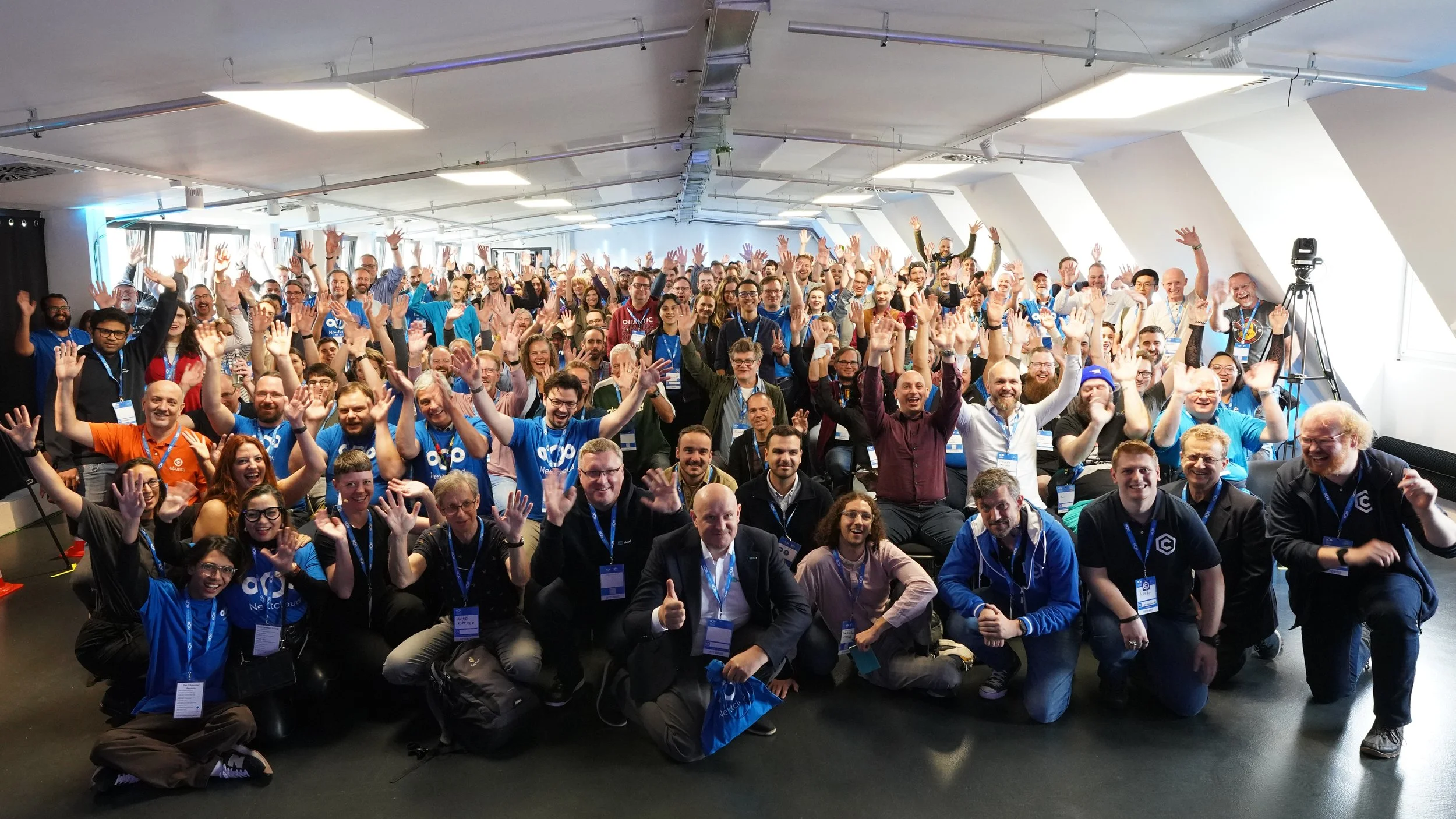
At Inkscreen, we believe that your data should stay exactly where it belongs: with you. Additionally, we know that the sovereign content use cases require compatibility with other systems. That's why we partner with NextCloud, and also are so excited for sector27 and Ivanti's new Neurons for MDM – Sovereign Edition – EU. READ MORE